
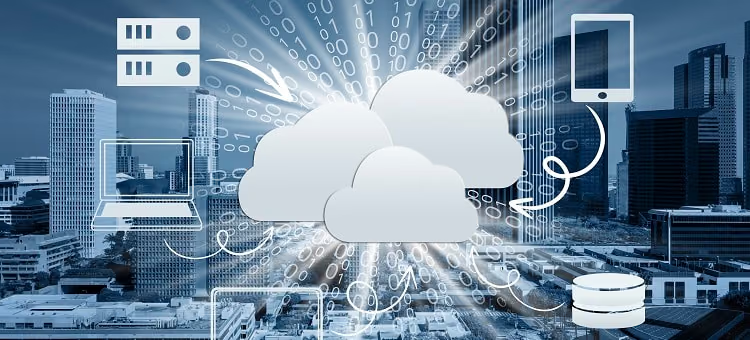


As businesses are increasingly opting for digital transformation, they also need improved business management, fast processes, flexibility, and good returns. Cloud computing technologies provide the essential process enhancing options and scalability, ensuring the best results.
In simple words, cloud computing refers to the delivery of adding up services over the Internet. It includes storage, software, servers, databases, network, analytics, and intelligence. This pack of services aims for a fast outcome, adaptable resources, and economizing of scale.
Cloud computing has become the center of any business process. Organizations are looking for outsourced IT help desk Services to avail of more cloud services at a lower price. It allows universal and easy on-demand access to shared resources through flexible cloud services.
Cloud technology had a $543 billion market in 2021. Experts estimate that it will become an $2 trillion market by 2030. Further, the market will see a compounded growth rate of 12.8% annually.
Cloud technologies include artificial intelligence, machine learning, edge computing, virtual desktops, automation, SASE, and disaster recovery. All these advanced services will shape the tomorrow of cloud computing. Let’s learn how these services can benefit your business.
10 Trends and Predictions of Cloud Computing
- Edge Computing
- Internet of Things
- More Data Storage Capabilities
- Artificial Intelligence
- Data Privacy and Cloud Mitigation
- Disaster Recovery
- Serverless Computing
- Service Mesh
- Improved SASE Adoption
- Cloud Orchestration and Optimization
1. Edge Computing
- Edge Computing
- Internet of Things
- More Data Storage Capabilities
- Artificial Intelligence
- Data Privacy and Cloud Mitigation
- Disaster Recovery
- Serverless Computing
- Service Mesh
- Improved SASE Adoption
- Cloud Orchestration and Optimization
2. Internet of Things
- Edge Computing
- Internet of Things
- More Data Storage Capabilities
- Artificial Intelligence
- Data Privacy and Cloud Mitigation
- Disaster Recovery
- Serverless Computing
- Service Mesh
- Improved SASE Adoption
- Cloud Orchestration and Optimization
3. More Data Storage Capabilities
- Edge Computing
- Internet of Things
- More Data Storage Capabilities
- Artificial Intelligence
- Data Privacy and Cloud Mitigation
- Disaster Recovery
- Serverless Computing
- Service Mesh
- Improved SASE Adoption
- Cloud Orchestration and Optimization
4. Artificial Intelligence
- Edge Computing
- Internet of Things
- More Data Storage Capabilities
- Artificial Intelligence
- Data Privacy and Cloud Mitigation
- Disaster Recovery
- Serverless Computing
- Service Mesh
- Improved SASE Adoption
- Cloud Orchestration and Optimization
5. Data Privacy and Cloud Mitigation
- Edge Computing
- Internet of Things
- More Data Storage Capabilities
- Artificial Intelligence
- Data Privacy and Cloud Mitigation
- Disaster Recovery
- Serverless Computing
- Service Mesh
- Improved SASE Adoption
- Cloud Orchestration and Optimization
6. Disaster Recovery
- Edge Computing
- Internet of Things
- More Data Storage Capabilities
- Artificial Intelligence
- Data Privacy and Cloud Mitigation
- Disaster Recovery
- Serverless Computing
- Service Mesh
- Improved SASE Adoption
- Cloud Orchestration and Optimization
7. Serverless Computing
- Edge Computing
- Internet of Things
- More Data Storage Capabilities
- Artificial Intelligence
- Data Privacy and Cloud Mitigation
- Disaster Recovery
- Serverless Computing
- Service Mesh
- Improved SASE Adoption
- Cloud Orchestration and Optimization
8. Service Mesh
- Edge Computing
- Internet of Things
- More Data Storage Capabilities
- Artificial Intelligence
- Data Privacy and Cloud Mitigation
- Disaster Recovery
- Serverless Computing
- Service Mesh
- Improved SASE Adoption
- Cloud Orchestration and Optimization
9. Improved SASE Adoption
- Edge Computing
- Internet of Things
- More Data Storage Capabilities
- Artificial Intelligence
- Data Privacy and Cloud Mitigation
- Disaster Recovery
- Serverless Computing
- Service Mesh
- Improved SASE Adoption
- Cloud Orchestration and Optimization
10. Cloud Orchestration and Optimization
- Edge Computing
- Internet of Things
- More Data Storage Capabilities
- Artificial Intelligence
- Data Privacy and Cloud Mitigation
- Disaster Recovery
- Serverless Computing
- Service Mesh
- Improved SASE Adoption
- Cloud Orchestration and Optimization
Conclusion:
Cloud computing makes your business process more efficient by adding up required services over the Internet. It includes storage, software, servers, databases, network, analytics, and intelligence. These services aim for a fast outcome, adaptable resources, and flexibility in services. It also simplifies the IT help desk outsourcing process by automating the procedures. For more information you can read Cloud computing trends 2026: Top predictions, stats, and growth drivers.